
Picture sipping coffee while checking your inbox—this is reality for those finding success with work from home jobs. Many people shape their daily routine around these flexible roles.
Remote work is no longer just a trend; it delivers more choices for people looking to balance personal and professional needs. The range of work from home jobs grows more robust each year.
Inside, you’ll discover which work from home jobs are open right now, actionable steps for landing them, and clear strategies to thrive in a remote role.
Setting Up for Remote Work Success Delivers Lasting Productivity

Starting with the right plan and tools builds strong momentum for any work from home jobs. A distraction-free workspace guides your daily output from the start.
Keep daily rituals and clear goals central to your approach. This structure empowers you to get the most from any remote work opportunity on your schedule.
Physical Workspace Choices Shape Your Focus
Select one area in your home reserved for work. A familiar seat, desk, and surroundings will help your mind shift into productive mode every morning.
Add a small plant, reliable lighting, or headphones to reinforce focus. Quiet signals that keep out home distractions also spark a sense of “at the office” whenever you start a task.
Organize basic supplies nearby: notepads, pens, water, and chargers. A tidy, stocked desk helps avoid interruptions during your work from home jobs each day.
Daily Routines Signal Professional Intent
Stick to set work hours, even when no one is watching. Routines anchor your energy and make work from home jobs feel like real jobs—not chores mixed with errands.
Dress in day clothes, not pajamas. It changes your mindset and prepares you for video calls or unexpected meetings during the day.
Breaks should be brief and purposeful—stretch, grab a snack, then return ready to focus. Repeat this rhythm and see your productivity improve over time.
| Workspace Setup | Productivity Level | Ease of Distraction | Takeaway |
|---|---|---|---|
| Dedicated room | Very high | Rare | Create a permanent work-only space |
| Kitchen table | Moderate | Medium | Reserve for short-term use, not calls |
| Living room couch | Low | Frequent | Avoid for extended periods |
| Backyard or patio | Variable | Low to medium | Good option for certain tasks, weather permitting |
| Shared space with others | Low | Very high | Use headphones or privacy screen |

Identifying High-Demand Work From Home Jobs Maximizes Fast Hires
Seeking work from home jobs in sectors with heavy demand streamlines your search and increases your chances of quick job offers. Revisit your strengths before applying.
Pairing your top skills with a role that’s hiring right now opens up new financial opportunities you can start this month, not next year.
Key Sectors With Urgent Openings
Many companies hire fully remote for customer service, sales, digital marketing, online tutoring, and data entry. These work from home jobs suit both beginners and specialists.
Healthcare support, technical troubleshooting, and virtual assistant services remain strong options for ambitious job-seekers. Growth in these areas is steady each quarter.
- Apply to customer support roles—practice typing and quick responses for chat or phone-based work from home jobs in this field.
- Target online teaching—demonstrate patience and clear communication for remote course delivery, especially in language or test preparation subjects.
- Choose sales and lead generation—show results from past campaigns or scripted sales scenarios during interviews for employer confidence.
- Consider transcription and data entry—work accurately and steadily to meet deadlines and maintain error-free records for remote teams.
- Explore graphic design or content writing—share a digital portfolio to secure work from home jobs where creativity is valued over in-office presence.
The wider your net across these emerging sectors, the more interviews and callbacks you’ll attract in the next two weeks.
Shaping Your Resume for Remote Roles
Highlight self-management, time tracking, and digital communication skills. Employers want staff who handle tasks and tools independently while working from home jobs full-time.
List experience with video calls, screen sharing, and document management systems. This paints you as equipped for both collaboration and solo projects in remote positions.
- Add remote project experience—even a volunteer role signals you can deliver tangible results when working off-site from a supervisor’s view.
- Emphasize speed and adaptability—mention how you learn new tech tools or workflows quickly by providing a short scenario on your resume.
- Prove written communication—include clear emails or instruction guides you’ve created for teams or customers in the past.
- Mention technical troubleshooting—give one example where you solved an IT hiccup or communication challenge while remote.
- Include digital etiquette—add a phrase on responding quickly and professionally in distributed teams, supporting your fit for work from home jobs today.
Intentional resume tweaks yield more interviews. Recruiters notice candidates who sound dependable and ready to excel in remote, fast-paced environments.
Building Trust With Employers When You Work Remotely Drives Results

Make employers believe in your reliability for work from home jobs by showing measurable output and excellent communication from the first interview onward.
Invest in trust-building: deliver accountability and openness through every interaction until you are a standout remote teammate.
Communication Habits Build Confidence
Use status updates and check-ins to keep managers relaxed about your progress. Confirm deadlines with a quick email and clarify vague instructions right away.
Respond with thoughtful questions or suggestions using concise language. A prompt, relevant answer shows you are active and invested in these work from home jobs.
Share mini-reports or highlights at week’s end. This ongoing evidence cements you as a “safe pair of hands” in a distributed team setting.
Showcasing Initiative Beyond Instructions
Spot improvement opportunities in tasks, then confirm changes with your boss before acting. A message like, “I can automate this process next time, want to see a sample?” scores points.
Suggest small experiments to improve workload—try new scheduling tools, create templates, or automate routine reports, then share outcomes with your team for feedback.
Deliver one extra step beyond the brief if you finish early, such as a summary or quick visual aid. Over time, this investment shifts you from “new hire” to team asset.
Optimizing Your Schedule Creates Work-Life Balance—and Prevents Burnout
You can adjust work hours for work from home jobs to boost focus and prevent fatigue across weeks or months. This approach steadily shapes a manageable routine.
Introduce structure: use a calendar, block breaks, and commit to total switch-off hours—even set alarms to signal when work is done for the day.
Batching Tasks for Efficiency
Group similar work into windows. For example, handle all emails back-to-back, then switch to calls or reports. This reduces mindless multitasking and cuts wasted transitions.
If something urgent pops up, note the topic and finish your current block before addressing new issues. You’ll avoid jittery, scattered days and help employer trust build steadily with these work from home jobs.
After lunch, tackle your hardest or most creative assignment with a refreshed mindset. Use that natural lull for deep work with minimal interruptions—protect this window daily.
Managing Energy, Not Just Time
Notice energy highs or lows, and place demanding tasks when you’re sharpest. Weak moments are ideal for routine admin, saving brainpower for deep work periods.
Avoid back-to-back video calls—schedule at least ten minutes in-between, standing up or stretching. It keeps you present and focused for every online meeting.
End every working day by logging out and walking away. Protect downtime so you return recharged for each round of work from home jobs.
Expanding Your Skills Grows Your Long-Term Value as a Remote Worker
Seek continuous skill upgrades within your work from home jobs. Set monthly learning goals to future-proof your remote career and stay competitive when switching roles.
Enroll in short courses, join webinars, or watch tutorials during downtime. An ongoing learning habit drives both confidence and new job prospects every quarter.
Selecting Training That Delivers Immediate Impact
Start with software or communication upgrades relevant to your remote tasks. “I’ll master spreadsheets this week” or “I’ll learn video editing basics”—these boost job stability fast.
Finish each module and apply one technique to your daily work before moving to something new. This process keeps learning manageable and directly supports your contribution to your company.
Once you’ve mastered a new tool or workflow, share your insights with your manager or team. This sharing reinforces your place as a growing remote asset.
Networking in Digital Communities Grows Opportunity
Participate in industry forums or remote work groups to hear about the latest openings in work from home jobs. Genuine digital engagement strengthens your profile and support network.
Share thoughtful advice or resource links in discussions. Active, helpful members get direct connections, referrals, and first dibs on new listings over time.
Schedule virtual coffee chats with fellow job-seekers or mentors. Swapping stories keeps your motivation up and gives you outside feedback on your job hunt journey.
Transitioning Between Multiple Remote Jobs Successfully
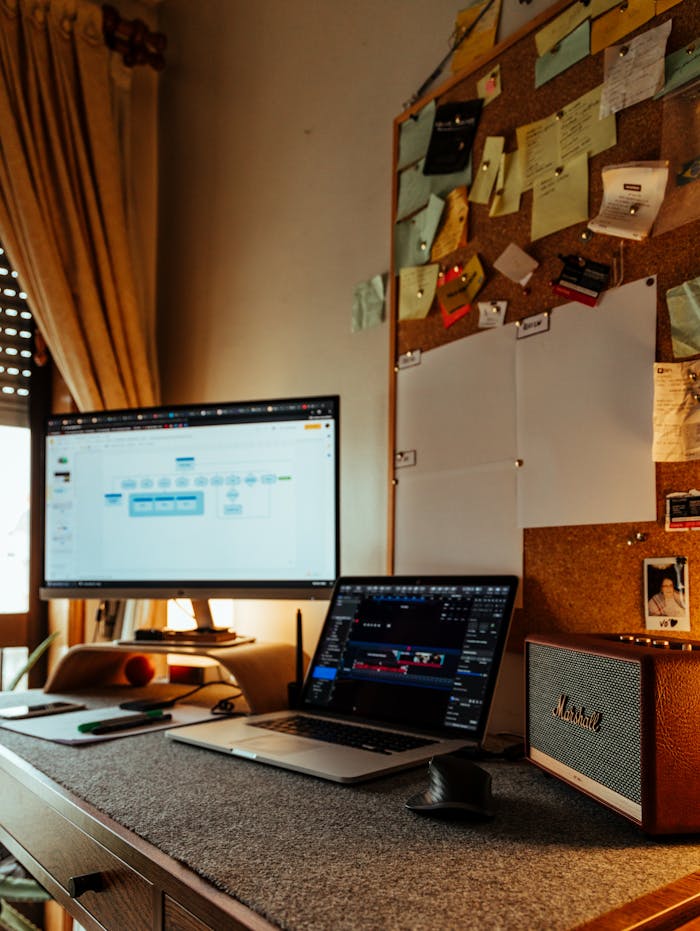
Balancing more than one part-time remote role requires smart strategy. You must keep communication clear and task boundaries defined with every team you join.
Use individual calendars for each position, label each project distinctly, and keep update messages separated for accuracy and reliability in all your work from home jobs.
Protecting Personal Boundaries Amid Multiple Contracts
Politely decline new meetings when you’ve already scheduled commitments for another role. Use “I’m booked at that time, but free after noon” as your ready response.
Keep different apps or tabs open for each contract. This mental separation prevents missed messages and accidents across teams.
Inform family or housemates about your varied schedule so you minimize interruptions and respect your own steady, high-quality output.
Detecting Burnout Early and Acting Quickly
If daily performance or mood dips, adjust task load right away. Explain to clients, “I need to rebalance some hours next month for best results.” This preserves trust.
Pause between jobs for short exercise or reflection. Resetting helps maintain creativity and motivation even across demanding remote projects in multiple work from home jobs.
Outsource small tasks if tension builds—delegate bookkeeping, or request admin assistance from a trusted peer or virtual helper to regain focus on your core responsibilities.
Conclusion: Your Remote Career Starts With Practical Steps Today
We’ve outlined how work from home jobs evolve through strong setups, in-demand sectors, trust-building habits, balanced routines, skill upgrades, and smooth transitions. Every point equips you for progress.
Pursuing work from home jobs doesn’t require major risk—just steady planning, learning, and awareness. Each new step grows your ability to thrive far beyond traditional office roles.
Your next job, your next skill, or even a bigger career leap starts with consistent daily action. Embrace the remote journey, and its rewards multiply over time.