
The Impact of Automation on Entry-Level Jobs Worldwide: Key Realities and Steps
Walk into any busy coffee shop or warehouse and you’ll sense something’s changed. Behind the scenes, automation entry level jobs are shaping new workplace rules across continents.
This shift touches everyone. Workers feel pressure to adapt, while employers rethink hiring and invest in technology. Understanding these changes matters, because entire career paths and economic models are evolving.
Let’s unpack how automation entry level jobs influence job security, skills demand, and global hiring patterns. Consider this a hands-on guide and roadmap for today’s job market.
Pinpointing Where Automation Disrupts Entry-Level Jobs First
Knowing which jobs face automation early helps people prepare for changes. You’ll find that automation entry level jobs cluster in sectors where routine tasks dominate.
These clues let you forecast which openings could fade. You can assess real workplaces and check what tech is currently being deployed.
Manufacturing and Logistics: Case Study
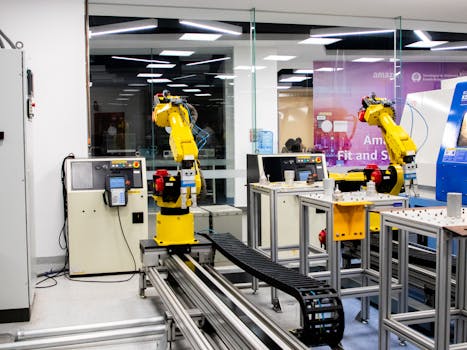
Picture a distribution center. Years ago, new workers learned to scan boxes and sort parcels by hand. Today, robots do much of this lifting automatically, following encoded pathways.
A supervisor might now say, “You’ll shadow our conveyor-bot.” Instead of lifting, the entry-level task shifts to monitoring safety or troubleshooting jams.
The analogy of a chess match fits: as automation captures more routine moves, human job roles re-focus on strategy and oversight. Workers track trends to refine where to upskill next.
Service and Retail: On-the-Ground Shifts
Self-checkout stations and app-based ordering reshape tasks in retail. Entry-level workers answer alerts from digital kiosks or troubleshoot machine errors for customers.
If someone hears, “Please help at the self-checkout,” it’s a cue that the new entry-level skill is guiding users, not just scanning groceries. Hand gestures now mean inviting a shopper over, not bagging produce.
When automation entry level jobs redesign workflows, employees track technology upgrades and flag training needs quickly to stay relevant.
| Sector | Main Automated Tasks | Tech Used | Immediate Worker Focus |
|---|---|---|---|
| Manufacturing | Assembly line packing | Robotic arms | Maintenance, calibration |
| Warehousing | Sorting and scanning | Conveyor bots | Safety, troubleshooting |
| Retail | Checkout, inventory | Self-service kiosks | Customer guidance |
| Food service | Order taking | Ordering apps | Tech support |
| Banking | Basic transactions | ATMs | Client problem-solving |
Immediate Steps to Navigate Automation Entry Level Job Changes
You can take clear actions to stay employable as automation entry level jobs evolve. Analyze roles for replaceable routines, then build skills tech struggles to duplicate.
Follow a personal checklist: spot job tasks that repeat with little judgment, research industry-specific technologies, and talk with mentors about cross-training opportunities.
Checklist: Personal Action Items
Start by making a list of daily tasks. If a task uses a script or button, highlight it. Next, read about tech trends in your sector to see what’s in pilot already.
Use phrases like, “I’ll ask my manager which skills they notice in promoted coworkers.” Writing these next steps can clarify which skills are safest from automation entry level jobs changes.
- Document everyday work routines to spot repetitive actions – then seek ways to automate your own processes to become invaluable as operations scale.
- Join internal webinars on new tech so you can see automation entry level jobs tools in action, and ask presenters questions about upskilling opportunities.
- Volunteer to test new software rollouts – hands-on practice prepares you faster for tech-supported roles, while showing initiative to supervisors and peers.
- Arrange one-on-ones with experienced team members. Ask them which entry-level duties vanished first and how they adapted. Copy their best strategies for staying relevant.
- Sign up for micro-learning courses specific to your sector – platforms now target exactly the skills that shield you from routine-replacing automation entry level jobs shifts.
Building these habits over weeks or months cements a proactive rather than reactive mindset to workplace change.
Realistic Scenarios: Pivoting Roles
Consider someone who handled data entry. As automation entry level jobs like copy-paste give way to software, their supervisor assigns report-checking for errors instead.
The worker says, “Now I scan for outliers instead of typing numbers.” This adjustment means evaluating machine output rather than creating raw input, a valuable move in many fields.
- Shift to monitoring roles with analytical responsibility when software automates your prior tasks. This creates a resilient job profile respected by management.
- Offer to design step-by-step guides for new tools. Teaching others lets you master functions and positions you as a go-to for troubleshooting automation entry level jobs issues.
- Suggest process improvements during meetings, drawing directly on automation entry level jobs observations. Managers value staff who anticipate tech’s impact and propose solutions.
- Shadow colleagues whose jobs complement automated workflows, such as IT support staff. This broadens your exposure to resilient roles and provides future cross-training paths.
- Research credential requirements for mid-skill technical roles nearby, and ask for tuition support from human resources as part of a career progression plan.
Everyone can set the tone by updating their routine—and learning to guide career pivots triggered by automation entry level jobs changes.
Spotting Fast-Moving Trends Across Continents and Sectors
Reading workplace signals lets both new graduates and frontline staff adapt before sudden automation entry level jobs losses disrupt livelihoods globally.
Tracking local and international labor data reveals early signals of shifting patterns. Job seekers who recognize these patterns can target resilient openings before competition grows.
Asia’s Industrial Hubs: Real Examples
For example, in Southeast Asia’s electronics factories, staffers have watched robots double line speeds. A casual comment—“The new robots don’t need lunch breaks”—signals things have changed for routine roles.
Workers move to machine test stations or join maintenance teams. Responding quickly involves talking with leads about openings that don’t mirror the newly automated jobs.
Automation entry level jobs become less about button-pressing, more about overseeing quality and predicting tech failures. Adaptation is fast—sometimes steered by a single day’s plant announcement.
Europe and North America: Retail Models in Transition
In Europe and the US, supermarket chains phase in checkout automation. Entry-level clerks who once only rang up groceries now step into customer coach or restocker roles.
Clear rules apply. Greet customers at kiosks, troubleshoot receipts, or direct people to phone support. Managers may urge everyone to rotate through tech stations once monthly.
Each new round of tech deployment demands a practical script—“Can I show you how to scan those yourself?” The impact of automation entry level jobs gets relayed on the sales floor and through scheduling notices.
Mapping Skills for the New Economy With Market Evidence
Today’s job markets reward action-takers who identify the non-automatable side of automation entry level jobs. Up-to-date training and diverse skills top recruiter wish lists.
Direct instruction from mentors, combined with industry certifications, beats generic online courses. Focusing your search on resilient positions increases long-term security.
Skill-Building in Practice
Immediately after automation entry level jobs replace one role, managers look for adaptability in their team. Quick response stands out more than passive acceptance.
“I’m ready to learn shift scheduling or fix printer jams,” signals an open mind. Review current job postings for similar tasks—trending keywords include troubleshooting, client support, or analytics.
Show soft skills too. Handling customer frustration during tech rollouts demonstrates you’re suited for public-facing or coordination-based automation entry level jobs, not just behind-the-scenes labor.
Mini-Checklist for Continuous Upskilling
List three skills used in roles one level up from yours. Next, identify a free or low-cost certification that matches industry trends. Compare that course’s syllabus with your daily responsibilities.
Ask colleagues who transitioned recently about the tools they use, and keep their scripts handy for your own growth. Consistently spending 15 minutes a day learning outpaces long, sporadic cram sessions.
By following small, steady steps, you’ll stay in front of automation entry level jobs rather than reacting after changes hit.
Adapting Your Resume and Mindset for Automation’s Ongoing Influence
Updating your resume to reflect both hard and soft skills related to automation entry level jobs keeps you marketable. Avoid generic phrases—focus on measurable achievements.
Highlight new tech you’ve adopted, efficiency gains, and examples where you led or supported teams through change. Employers notice adaptability in both format and language.
Rewrite Accomplishments for the Automation Era
Instead of “Assisted with data entry,” write, “Implemented scanning software, reducing error rates by 15 percent.” Results matter when labor markets contract in the wake of automation entry level jobs.
Soft skills count, too. Instead of “Customer service,” demonstrate “Guided 30+ users through self-checkout, maintaining positive engagement during tech transition.” Use specific metrics to illustrate your role amid changing workflows.
Your resume should look future-ready, not like a snapshot from before automation entry level jobs changed hiring standards. Review it alongside emerging job ads for alignment.
Mental Shifts for Resilience
Imagine automation as a wave. When it nears, those who paddle early catch the ride. Simple daily routines, like reading industry alerts, help you see where to reskill fastest.
A colleague’s story highlights this: After their role was phased out, they moved into tech training simply by volunteering to be the department’s first contact for support tickets.
Every person can echo that pivot with small steps—update profiles, comment on automation entry level jobs forums, or lead short training sessions for peers grappling with tech upgrades.
Recognizing Uniquely Human Advantages in the Age of Automation
Automation entry level jobs can’t replicate creativity, empathy, or original problem-solving. These strengths remain in high demand even as machines take on more tasks.
For instance, while software may flag account anomalies, only a person can calmly reassure a customer who’s worried about a bank card error—listening, nodding, and offering reassurance.
Real-Life Scripts for Human Skills
If your kiosk fails, instead of getting frustrated, say, “Let’s get you checked out another way—sorry about the hold-up!” Scripts like these build confidence in both you and the customer.
“Let me walk you through what I’m seeing on the screen.” Sharing context in real time makes digital upgrades more inviting to non-tech users, while spotlighting your resourcefulness in automation entry level jobs.
This soft-sell approach creates loyal clientele and earns positive reviews from supervisors who notice the impact of personal guidance during periods of workforce transition.
Analogy: Chess and Art
Think of human workers as chess masters who find unique moves a computer won’t. In creative fields, original contributions beat repetitive execution every time. Emphasize unique approaches on both resumes and interviews.
Designers, teachers, and caregivers bring nuance to roles automation can’t touch. Highlighting teamwork, storytelling, or improvisation crafts a defensible personal brand during hiring waves shaped by automation entry level jobs.
Encourage colleagues to note daily decisions where intuition outweighs routine. Share these in team debriefs or digital work logs to reinforce their value.
Building Future Career Paths as Automation Redefines Entry-Level Work
To ensure long-term job prospects, everyone should set a quarterly “skills audit.” This anchors planning amid the unpredictability of automation entry level jobs shifts.
Action: Book time each season to review trends, skills, and available certifications unique to your field. Make this as routine as checking your pay stub or requesting time off.
Checklist for Long-Term Adaptation
List new tech or workflow steps introduced over the last year. Mark any concerns about your current role’s future, and set up brief meetings to discuss options with supervisors.
Pinpoint which colleagues moved laterally or into higher-skilled jobs recently. Their career pivots offer a blueprint you can follow to ride out coming changes in automation entry level jobs.
Mini Case Story: Global Fast-Food Chains
When touchscreens replaced order-takers, a team lead at a burger chain retrained for digital menu maintenance. They now coordinate promotions across regions, earning both more pay and greater autonomy.
One line from that lead: “Learning the backend menus was easier than learning to smile through lunch rushes!” Upward mobility followed because proactive tracking of automation entry level jobs opportunities was explicitly rewarded.
Revisit these stories every few months to remind yourself adaptation brings possibility—not just reduced risk.
Resilience and Opportunity: Charting a Smarter Way Forward
Automation entry level jobs have redrawn the starting line for millions worldwide. Staying informed and nimble gives you real power to shape your future in this landscape.
Every workplace now contains clues about coming changes—those who look for the patterns can retool, cross-train, and advance even when roles disappear or technology expands.
The era of automation entry level jobs rewards those who act early, learn widely, and spotlight uniquely human skills. By taking these specific steps, you turn disruption into new opportunity, one practical decision at a time.